Reformer Training That Builds Lasting Strength
Reformer training builds strength, balance and endurance through controlled resistance. Learn how to begin, progress and train with focused form well.

A good session should not leave you guessing what you trained. Reformer training makes the work clear: controlled resistance, precise form and enough time under tension for muscles to respond. You may move slowly, but the challenge is immediate. A stable-looking hold can ask more of your body than a fast sequence ever could.
That is the point. Rather than chasing impact or rushing through repetitions, reformer work asks you to create strength with attention. You learn where your body is in space, how to control it under load and how to stay present when the effort builds. The result is training that feels considered, demanding and sustainable.
What reformer training actually does
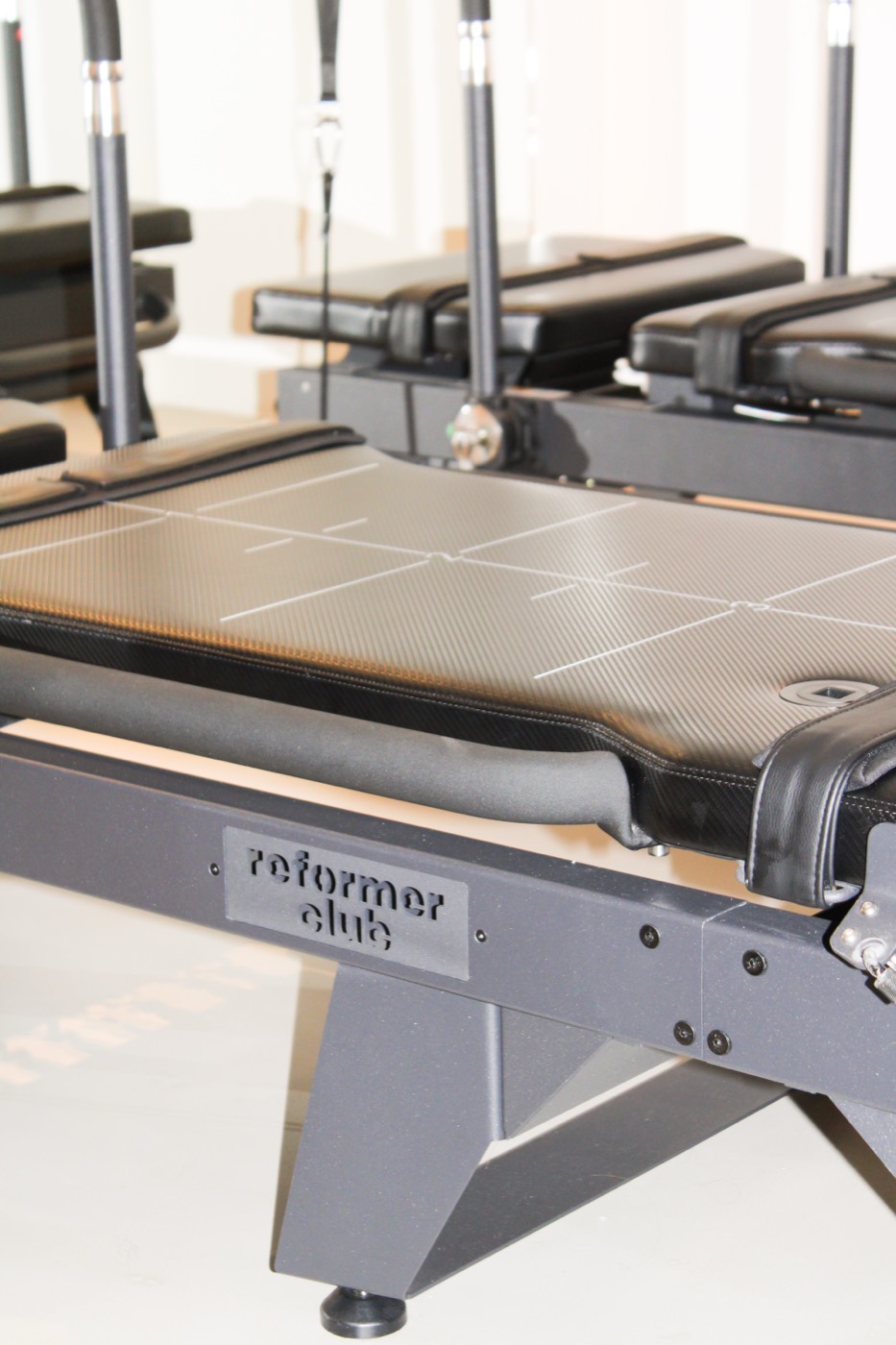
The reformer is a moving carriage connected to springs. Those springs create resistance, but they also demand control. Pressing the carriage away requires strength. Bringing it back with precision requires just as much. The work is not only about completing a movement. It is about resisting momentum and maintaining alignment from beginning to end.
This makes reformer training especially effective for developing strength without unnecessary joint stress. Your muscles work through a wide range of motion while the machine supports a low-impact approach. Legs, glutes, core, back, arms and smaller stabilising muscles all have a role, often within the same exercise.
The benefits go beyond how a session feels. With consistent practice, many people notice stronger posture, greater balance, better muscular endurance and a more reliable connection to their core. For professionals who spend long hours at a desk, that awareness can carry into the rest of the day: standing taller, moving with more ease and recognising tension before it takes over.
Why slower resistance creates a deeper challenge
Fast movement can hide weak points. Slow Resistance Training brings them into view.
When you move with control, there is no easy way to borrow momentum. You have to stabilise through the trunk, organise your shoulders and hips, and keep pressure even through your feet or hands. A small adjustment in spring resistance, tempo or range can change the entire exercise.
This is why a focused reformer class can feel intense without being chaotic. The goal is not exhaustion for its own sake. It is quality muscular tension. You work long enough to build endurance, then recover with purpose before moving into the next pattern.
Slower does not always mean easier. A deliberate lunge, plank or bridge can become highly demanding when alignment is maintained and the carriage is controlled in both directions. The challenge is intelligent: effort with a reason, not intensity without direction.
Start with form, not confidence
You do not need previous Pilates experience to begin. You also do not need to arrive already strong, flexible or coordinated. What helps most is a willingness to learn the foundations properly.
For beginners, the first sessions are about understanding the machine and finding your starting point. You will learn how the springs feel, where to place your feet, how to keep your ribs and pelvis organised, and when to make a movement smaller rather than pushing through. These details are not restrictions. They are what allow the right muscles to do the work.
A beginner format such as START creates the space to build this confidence. Expect clear guidance, fundamental patterns and a pace that prioritises control. It is the right place to establish habits that make more advanced training safer and more rewarding.
It also helps to let go of the idea that every workout must look impressive. A clean, well-supported repetition has more value than a larger range you cannot control. On the reformer, precision is progress.
Progress by adding control and capacity
Once the fundamentals feel familiar, progression is not simply a matter of choosing the heaviest spring. More resistance can be useful, but only when you can maintain form. The reformer offers many ways to increase the challenge: longer sets, slower tempo, reduced support, greater range of motion, more complex coordination or a spring setting that demands more strength.
In a SIGNATURE-level class, these elements begin to come together. You may hold positions for longer, transition more efficiently and work through sequences that test total-body endurance. The experience is still structured, but the demand rises. Your muscles have to stay switched on while your focus remains calm.
Advanced sessions, such as BURN, are for clients ready to sustain that demand. The work can be more athletic, more layered and more endurance-led. Yet the standard remains the same: control first. If technique disappears, the intensity is no longer serving you.
Progress is rarely linear. Some weeks you may add resistance and feel powerful. On other days, reducing the load and refining your range is the smarter choice. Sleep, stress, recovery and other training all affect what your body needs. Learning to respond rather than force the session is part of becoming a stronger mover.
How often should you train?
Consistency matters more than occasional extremes. For someone new to reformer training, two sessions per week is often enough to learn the method and begin feeling meaningful changes in control and strength. One session can still support a busy routine, particularly when paired with walking, mobility work or other activity you enjoy.
Three or more weekly sessions may suit experienced clients, provided recovery remains part of the plan. Low impact does not mean low effort. Muscles still need time to adapt, especially after challenging lower-body, core or endurance-focused work.
The best frequency depends on your starting point and wider schedule. If you are returning to exercise, begin conservatively and build a routine you can keep. If you already train regularly, reformer sessions can complement running, cycling, strength work or sport by developing control and stability that are often overlooked elsewhere.
Make each session count
Arrive a few minutes early enough to settle. Training with focus starts before the first exercise. Notice how you feel, tell your instructor about injuries or relevant limitations, and treat the session as time you have chosen for yourself.
During class, aim for steady breathing and honest effort. If you lose control of the carriage or cannot maintain your position, adjust. Choosing a lighter spring or smaller range is not stepping back. It is how you keep tension in the muscles rather than shifting stress into the joints.
Afterwards, give yourself a moment before rushing into the next part of the day. Reformer work can leave you physically worked and mentally clearer. That combination is one reason a regular studio practice becomes more than exercise. It becomes a reliable reset.
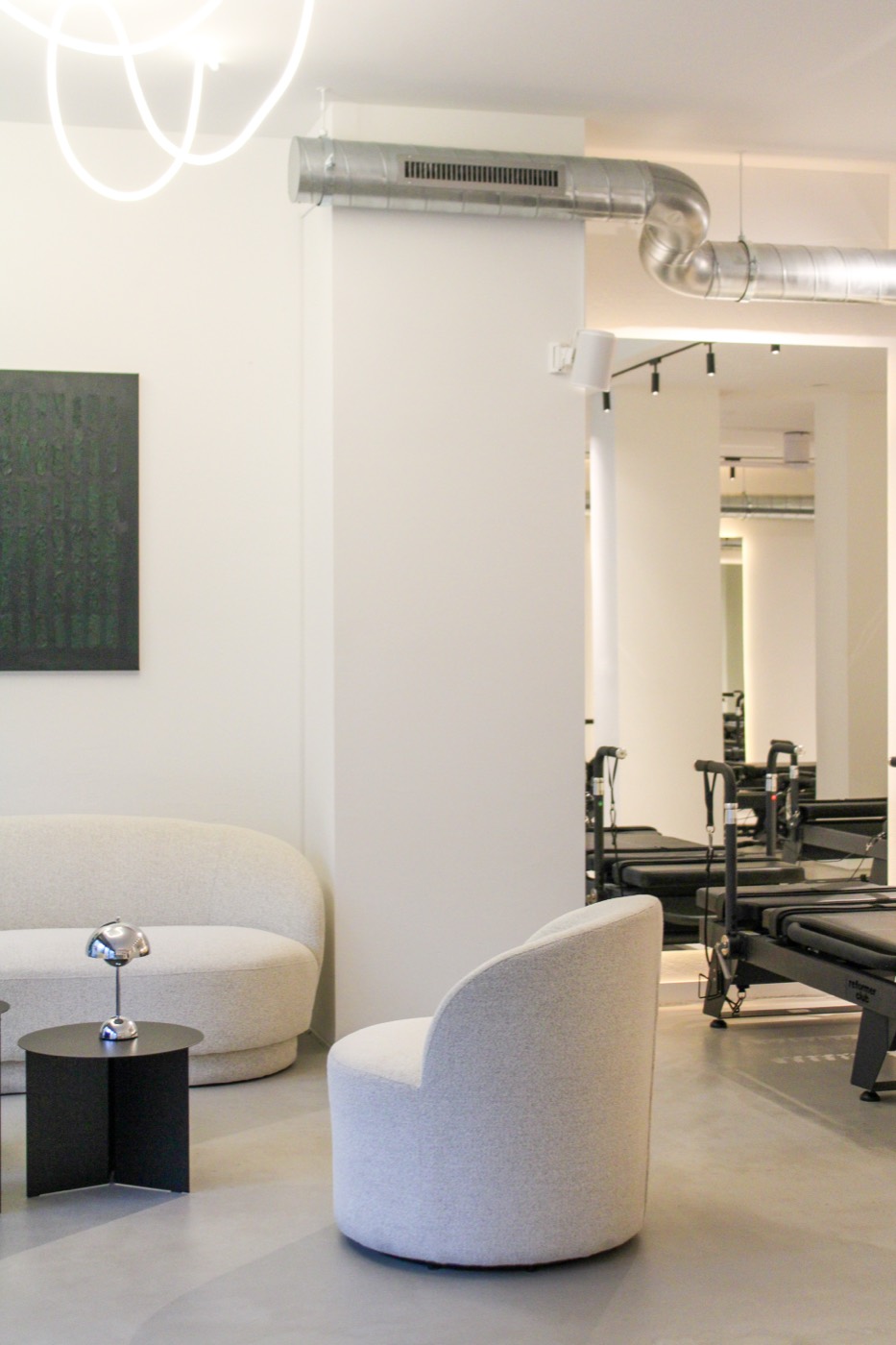
At Reformer Club in Basel, the pathway from START to SIGNATURE to BURN gives training a clear direction without turning it into a race. You can come as you are, train with intention and continue building capacity at a pace that supports your life.
Strength you can feel beyond the studio
The most valuable changes are often quiet. You carry shopping without shifting into one hip. You sit through a long meeting with less stiffness. You feel more stable on a run, more connected in another workout or simply more capable in your own body.
Give the method time. Return to the fundamentals, respect the resistance and let precision lead. Each controlled session is a chance to leave more focused, strong and more balanced.