Why Muscles Shake in Pilates, and When It Matters
Why muscles shake in Pilates: understand fatigue, control and form, plus when to ease off, recover and build lasting strength through steady practice!
That moment when your legs begin to tremble halfway through a controlled lunge or your core starts shaking in a plank can feel surprisingly intense. But why muscles shake in Pilates is usually far less dramatic than it feels. In most cases, it is your body working hard to maintain tension, control and alignment under resistance.
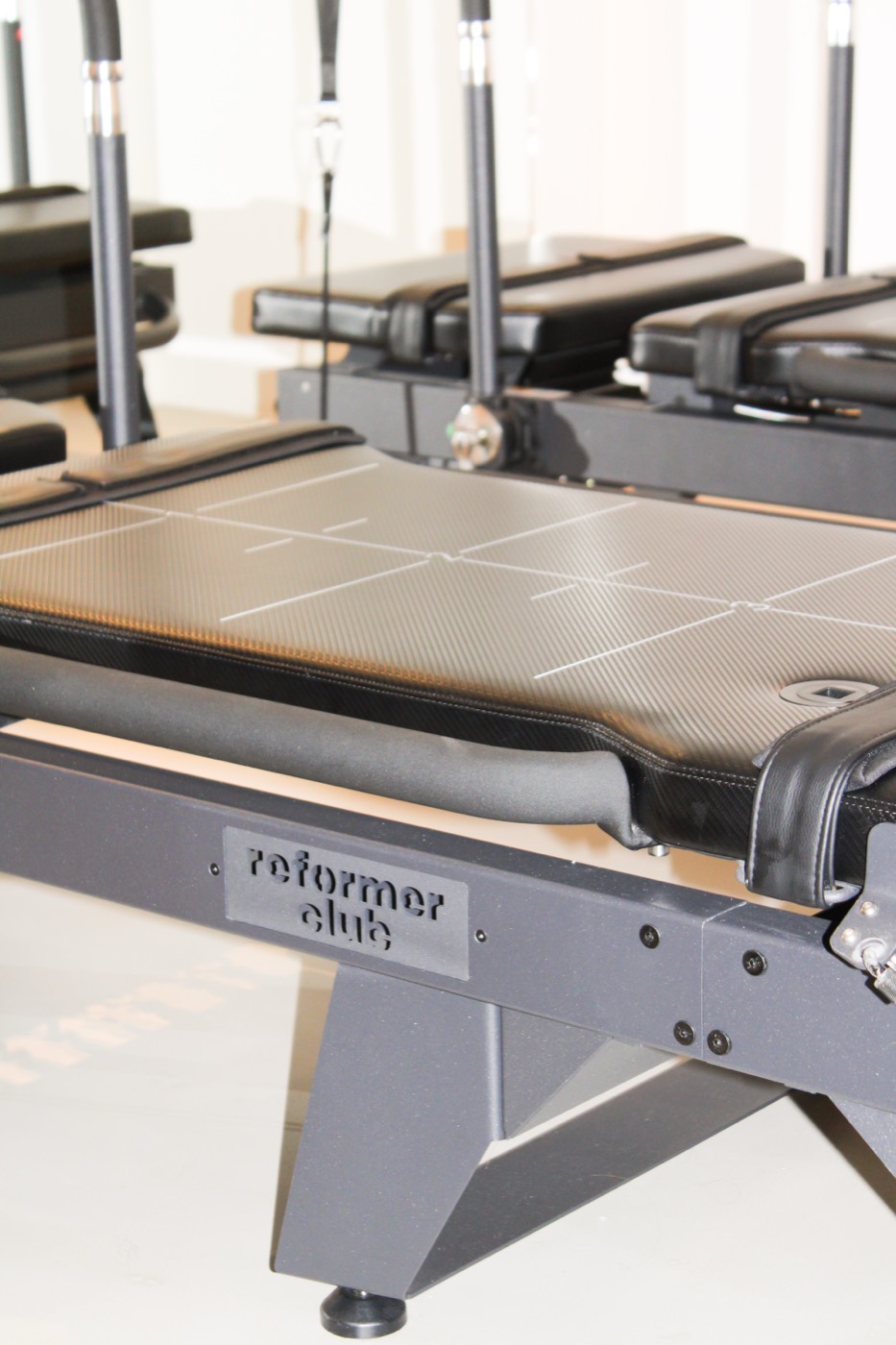
On the Reformer, there is nowhere to hide from the details. A slow tempo, a challenging spring setting and a precise range of motion ask smaller stabilising muscles to stay switched on for longer than they may be used to. The shake is often feedback: the effort is real, and your nervous system is recruiting more support to complete the movement well.
Why muscles shake in Pilates
Muscle shaking, also called exercise-induced tremor, commonly appears when a muscle is approaching fatigue. Your brain sends signals to muscle fibres to contract. As the demand rises, it brings in more motor units, the small muscle-and-nerve teams responsible for producing force. When those signals become less steady under fatigue, you may notice a visible tremble.
Pilates is particularly effective at revealing this response because it favours sustained, deliberate work over momentum. Holding a bridge at the top, controlling the carriage on the return or maintaining a neutral spine through a slow abdominal series can create a high level of muscular tension without looking like a high-impact workout.
This is central to Slow Resistance Training. The goal is not to rush through repetitions or simply make the springs as heavy as possible. It is to create enough resistance, time under tension and precision for the body to adapt. Your glutes, deep core, inner thighs, shoulders and feet may all be working at once to stabilise one carefully controlled movement. A shake can be the result.
It does not automatically mean you are weak. It often means you have reached a new and productive training edge.
Stabilising muscles are doing more than you think
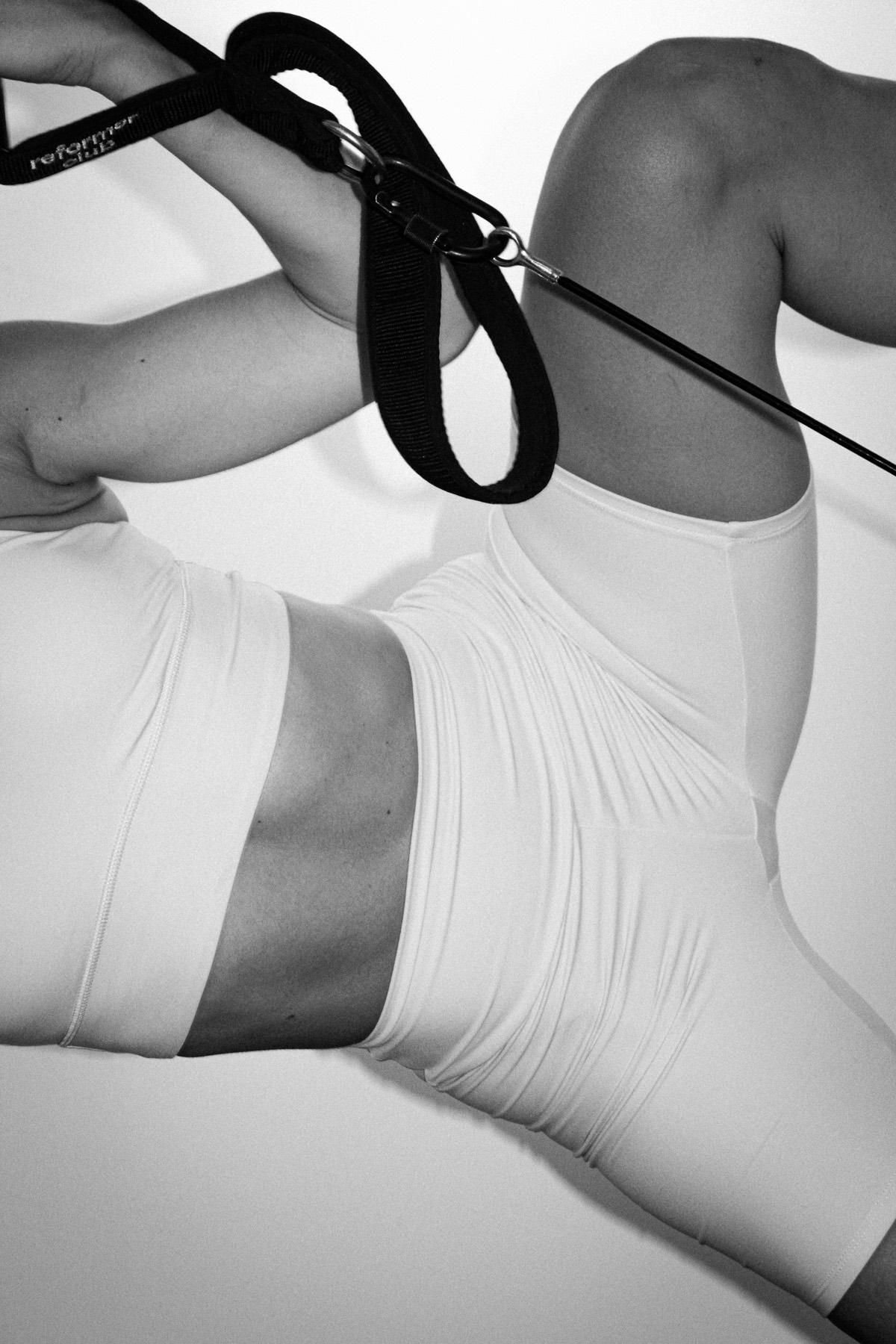
Large muscles get the attention, but Reformer Pilates also challenges the muscles that organise your joints and posture. During standing work, for example, your feet and ankles make constant micro-adjustments. In side-lying sequences, the outer hip works to keep the pelvis stable while the moving leg follows a clean path.
These muscles can fatigue quickly if they have not had much practice producing steady force. That is why someone who runs, cycles or lifts weights may still shake during a slow single-leg Reformer exercise. Fitness is specific. Strength built in one pattern does not instantly transfer to every demand.
A new level, spring or range can trigger a shake
Shaking can also appear when you progress your training: a lighter spring that requires more control, a deeper range with good form, a longer hold or a more complex balance challenge. These are all valid progressions, and each changes the demand on the body.
The answer is not always to add more resistance. A heavier spring can make some movements easier by supporting the carriage, while a lighter spring may require greater stability. The best choice depends on the exercise, your technique and the intended training effect. In a well-coached class, progression is measured by control as much as intensity.
Is shaking during Pilates a good sign?
Sometimes. Shaking can tell you that the target muscles are working close to their current endurance limit. If you can still breathe, stay present and maintain your key alignment points, it may be an appropriate signal of challenge.
It is not, however, a scorecard. The strongest session is not the one where you shake the most. Training quality comes from working at a level you can control, then recovering and returning consistently. Pushing past form simply to chase a burn can shift load into the lower back, neck, hips or wrists and reduce the value of the exercise.
A useful question is: can I still perform this movement with intention? If the answer is yes, a small tremor may be part of productive effort. If your knees collapse inward, your shoulders rise towards your ears or you cannot control the carriage, the movement needs an adjustment.
What to do when your muscles start shaking
First, do not panic and do not hold your breath. Exhale slowly and let your instructor know what you are feeling if you need support. Often, a small adjustment is enough: reduce the range, choose a more supportive spring, lower the height of the legs or take a brief reset.
Focus on one or two clear form cues rather than trying to correct everything at once. In a bridge, that might mean keeping the ribs soft and pressing evenly through both feet. In a plank, it may mean gently pushing the carriage away while keeping the back of the neck long. Precision makes the right muscles more available.
You can also slow down further. This may sound counterintuitive, but rushing often creates momentum that disguises fatigue rather than solving it. A slower, smaller repetition gives you the chance to assess whether you are controlling the movement or merely surviving it.
If the shake continues to build and your form is no longer reliable, pause. Rest is not quitting the exercise. It is a training decision that protects the quality of your next set.
When shaking is a sign to stop
Normal training fatigue should feel local and manageable. You might feel your thighs working hard or your abdominals trembling, but you should not feel sharp pain, numbness, dizziness, chest discomfort or a sense that a joint is unstable. Stop the movement and seek appropriate medical advice if these symptoms occur, especially if they are severe, new or persistent.
The same applies to shaking that happens frequently at rest, appears without exercise, or is accompanied by unusual weakness. Pilates can challenge your muscles, but it should not be used to explain away symptoms that deserve attention from a qualified healthcare professional.
Hydration, sleep, stress, caffeine intake and whether you have eaten enough can also affect how steady you feel in class. If you arrive depleted, your muscles may fatigue sooner. That does not mean you need a perfect routine before every session. It simply means the body you bring to class matters, and smart training responds to it.
How to build more control over time
The most reliable way to reduce excessive shaking is not to avoid challenging work. It is to build capacity gradually. Consistent practice teaches your nervous system to coordinate the movement more efficiently and helps muscles sustain tension for longer.
Start at the level that lets you learn the foundations. In a START class, that may mean becoming familiar with Reformer setup, spring changes, breathing and alignment without feeling pressured to perform at maximum intensity. As your control develops, SIGNATURE work can build endurance and coordination. More advanced BURN sessions can then challenge your strength, pace and precision with a stronger technical base beneath you.
Recovery supports that progression. Leave enough space between demanding sessions for your body to adapt, especially when you are new to resistance training or returning after time away. Gentle movement, adequate food, water and sleep all contribute to better performance, but consistency matters more than perfection.
It also helps to track progress beyond the shake. Notice whether you can hold the same position with a calmer breath, complete another controlled repetition, use a fuller range or recover faster between sets. These are meaningful signs that your strength is becoming more usable in both training and daily life.
Let the shake guide, not judge, your practice
A trembling leg during a slow Reformer sequence is often a sign that you are meeting your muscles honestly. Meet that sensation with attention rather than judgement. Adjust when form asks for it, stay with the work when it remains controlled, and allow repetition to turn effort into confidence.
Come as you are. With focused practice, you can leave each session more steady, strong and balanced.