Reformer Pilates Versus Physiotherapy: Which?
Reformer Pilates versus physiotherapy: understand when structured resistance training supports your goals, and when assessment and treatment come first.
A stiff back after long Basel workdays, a knee that feels unreliable on stairs, or shoulders that round further every month can all create the same question: should you book a Reformer class or see a physio? Reformer Pilates versus physiotherapy is not a contest between two opposing approaches. They have different jobs, and knowing that difference helps you choose the right support for your body now.
Reformer Pilates is structured exercise. Physiotherapy is healthcare. One builds capacity through controlled resistance, precise movement and consistent practice. The other assesses pain, injury, function and recovery, then provides an individual clinical plan. Sometimes the right answer is clearly one or the other. Often, the strongest path is using both at the right time.
What physiotherapy is designed to do
Physiotherapy starts with assessment. A qualified physiotherapist looks at your symptoms, movement history, strength, mobility and the demands of your daily life or sport. They work to understand why a problem may be happening and whether you need treatment, a tailored exercise programme, referral or a return-to-activity plan.
This is particularly valuable when pain is new, severe, worsening or affecting normal function. Think of a swollen ankle after a fall, sharp pain that changes how you walk, numbness or tingling, a recent operation, or a shoulder that will not let you sleep. These situations call for clinical judgement, not a group training session.
Physiotherapy can also be the right place for persistent issues that have not improved with rest or general exercise. A physio can modify load with much more specificity, test relevant movement patterns and guide rehabilitation in stages. The goal is not simply to feel better for a day. It is to regain confident, sustainable function.
What Reformer Pilates is designed to build
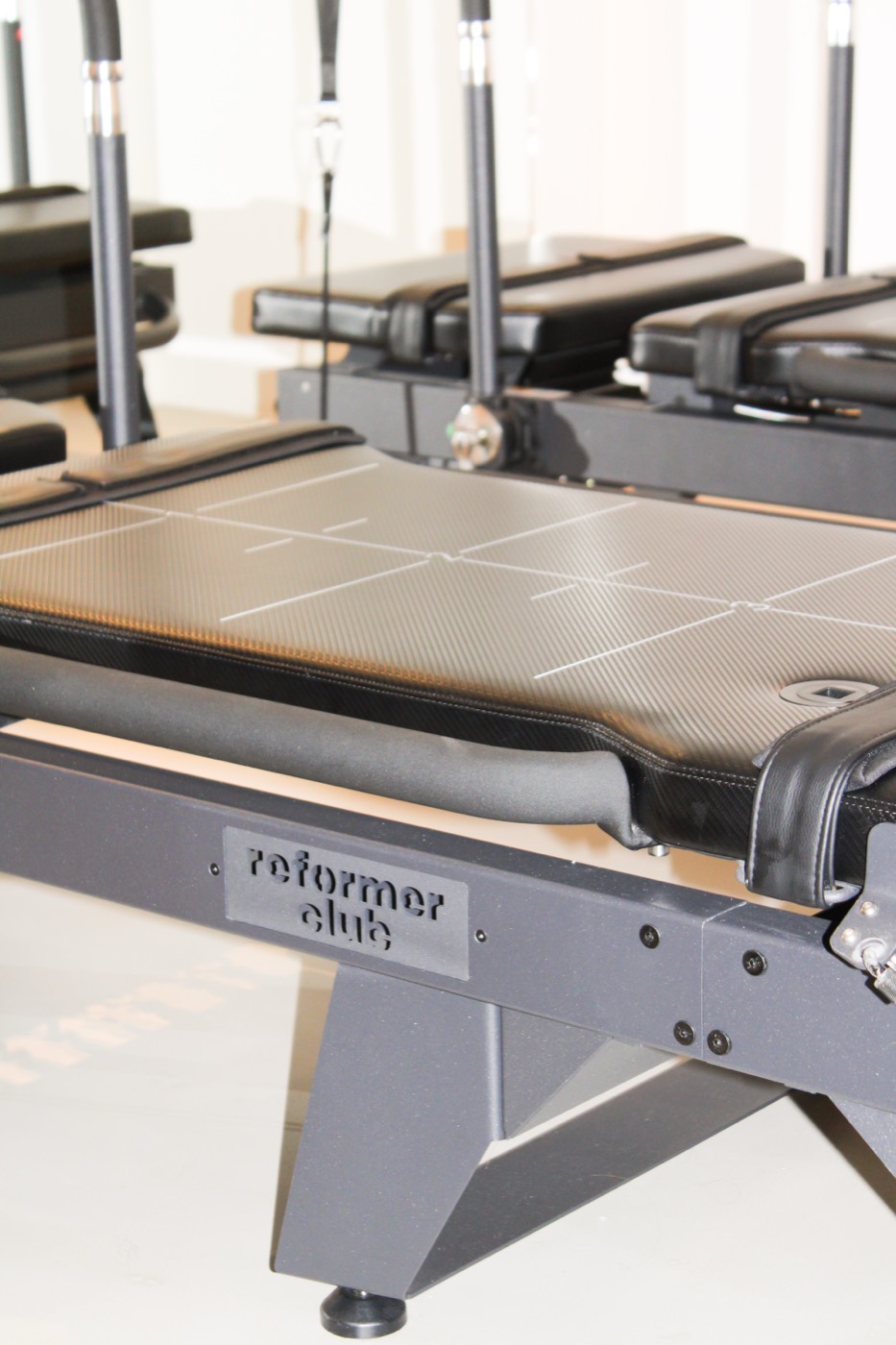
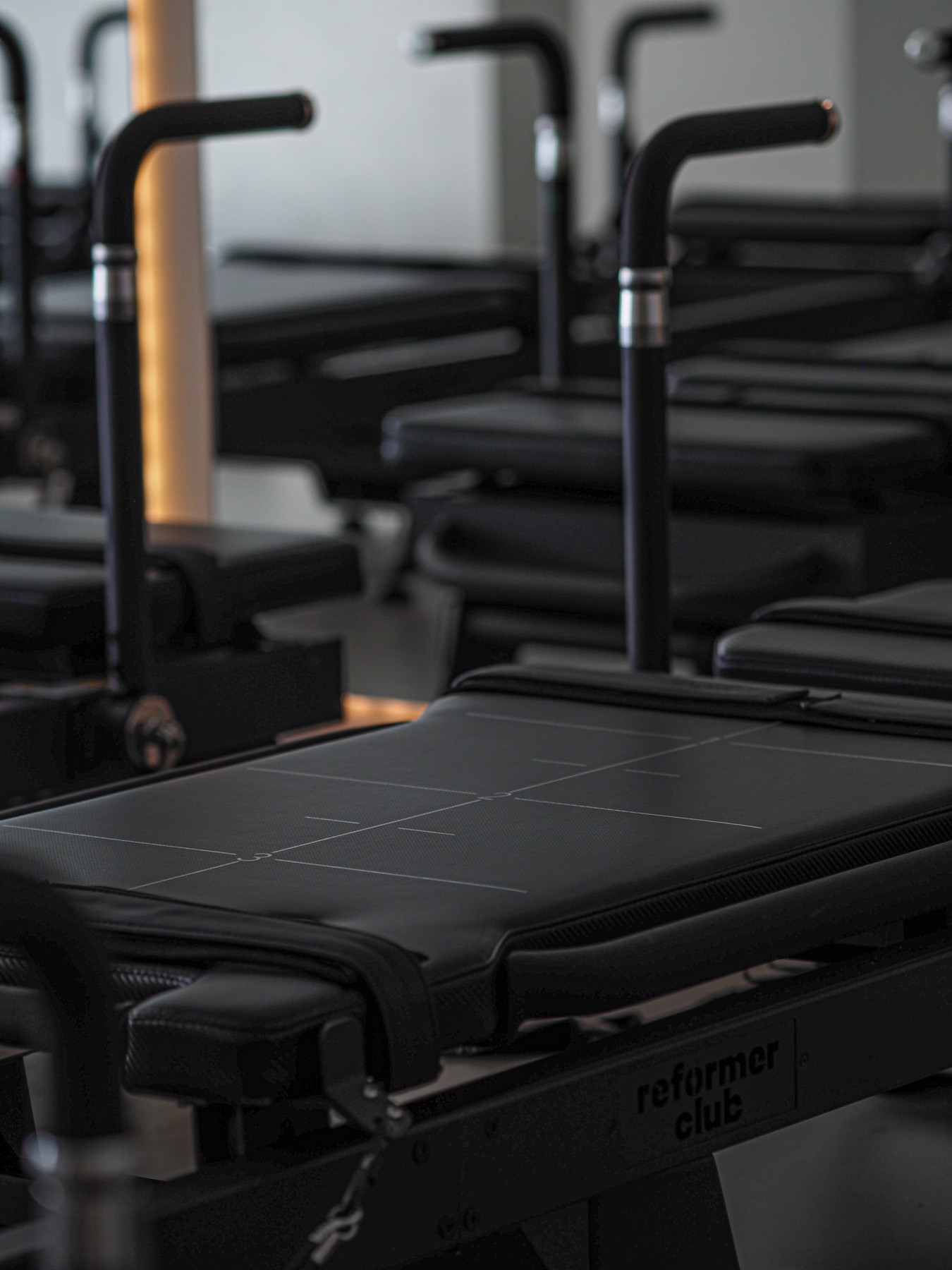
Reformer Pilates is not medical treatment, and it does not diagnose or rehabilitate an injury on its own. It is a low-impact training method that uses spring resistance, carriage movement and clear alignment to develop strength, control, balance and endurance.
At Reformer Club, Slow Resistance Training centres on time under tension and intentional form. Rather than rushing through repetitions, you work with resistance in a way that asks your muscles to stabilise, lengthen and respond with control. The challenge can be substantial, even when the movement looks measured.
For people who are generally well enough to exercise, this approach can be especially useful for building the foundations that make everyday movement feel more capable. You may notice stronger legs when climbing stairs, more awareness through your posture at your desk, greater trunk control during other training, and a calmer, more focused connection to your body.
The Reformer also allows resistance to be adjusted and movement to be supported. That does not make every exercise appropriate for every body or every condition. It does mean that, within a suitable class level, the equipment offers a thoughtful way to progress strength without the joint impact of jumping or hard running.
Reformer Pilates versus physiotherapy: the key difference
The central difference is purpose. Physiotherapy responds to a clinical need. Reformer Pilates develops physical capacity as part of a regular training routine.
A physiotherapist may prescribe a highly specific exercise because it targets your current limitation, at a particular dose and stage of recovery. In contrast, a group Reformer class follows a planned training format for participants who are ready to exercise. Instructors can offer form cues, general regressions and options, but they do not replace an individual assessment or medical care.
This distinction protects your progress. Pushing through an acute injury because a class feels low impact can delay recovery. Avoiding all movement for months after receiving clearance can also leave you underprepared for the activities you want to return to. The right load, at the right moment, matters.
When a Reformer class may be a good fit
If you are not dealing with acute or unexplained symptoms and want a consistent, intelligent way to train, Reformer Pilates can be an excellent choice. It suits people who want to improve strength and posture without relying on high-impact workouts, as well as those returning to a more regular fitness routine after a period of inactivity.
It can also complement other training. Runners may appreciate the focused work on lower-body control and stability. Desk-based professionals often value the chance to train extension, upper-back strength and core control with attention rather than speed. People who already lift weights may use the Reformer to develop movement precision and muscular endurance in a different setting.
The key is honest self-assessment. A challenging session should create muscular effort and fatigue, not sharp pain, instability or symptoms that increase as you continue. If a movement consistently feels wrong, stop and seek professional guidance rather than trying to work around it.
Choose the level that matches your current capacity
Starting at an appropriate level is part of training well. A beginner format gives you time to learn the machine, breathing, positions and pacing before greater complexity or intensity is added. This is not a slower route to results. It is how control becomes reliable.
At Reformer Club, START is designed for building that foundation. SIGNATURE develops the work for those ready for more sustained sequences, while BURN raises the demand for experienced participants who can maintain form under fatigue. Progression is earned through consistency and quality, not by choosing the most intense class first.
When physiotherapy should come first
Book an assessment before joining or returning to classes if you have a recent injury, a post-operative restriction, unexplained pain, significant swelling, altered sensation, dizziness, or pain that is getting worse. The same applies if you have been told to avoid certain movements or loads, or if a condition is affecting your balance and confidence.
For pregnancy, postpartum recovery, osteoporosis, joint replacements and long-term health conditions, the answer depends on your individual history and clearance. Exercise may still be appropriate and beneficial, but it should begin with the right information and modifications. A physiotherapist or relevant healthcare professional can help define the boundaries, particularly when symptoms or specific restrictions are involved.
Do not wait for a problem to become dramatic. Repeated discomfort that changes the way you move, train or sleep deserves attention. Early assessment often gives you clearer next steps than guessing between stretches, rest and increasingly demanding workouts.
How the two can work together
The best comparison is often not Reformer Pilates versus physiotherapy, but physiotherapy followed by a considered return to training. Once your physio has assessed you and confirmed that exercise is appropriate, Reformer Pilates can provide the consistency that helps turn rehabilitation gains into lasting strength.
Share relevant guidance before class and arrive a few minutes early if you need to flag a limitation. Be specific: mention the movement that aggravates your symptoms, any restrictions you have been given and what stage of recovery you are in. Your instructor can then help you select a sensible option within the class environment. If your needs require continuous one-to-one clinical supervision, stay with your physiotherapy plan until you are ready for group training.
There is also a valuable mindset shift here. Rehabilitation is not a test of toughness, and training is not a race to the heaviest spring. Both work best when you respect feedback from your body, practise consistently and allow capacity to build over time.
Make the decision from your starting point
Ask one practical question: am I looking to treat a problem, or am I ready to train around a healthy baseline? If you need answers about pain, injury or recovery, start with physiotherapy. If you have been cleared to exercise and want to build strength, endurance, posture and control, a well-matched Reformer class can become a powerful part of your weekly routine.
Come as you are, but do not ignore what your body is telling you. Get the assessment when it is needed, choose the level that respects your current capacity, and let steady, precise work make you feel more focused, strong and balanced.