Mindful Strength Training Methods for Control
Mindful strength training methods build lasting control, strength and focus. Learn how slow, precise resistance work supports your body and daily routine.

A rushed repetition can still make a muscle work. But it rarely teaches you much about how your body moves. Mindful strength training methods take a different approach: they ask you to feel the load, control the range, and stay present from the first repetition to the last. The result is training that feels purposeful, not simply exhausting.
For people balancing demanding work, full schedules and a desire to feel stronger without punishing their joints, this shift matters. Mindful training is not about making every session easy. It is about making the effort count.
What mindful strength training actually means
Mindful strength training combines deliberate attention with progressive resistance. You are not only completing an exercise. You are noticing your breath, alignment, tempo and muscular tension while you do it. Rather than chasing momentum or trying to move as quickly as possible, you create strength through control.
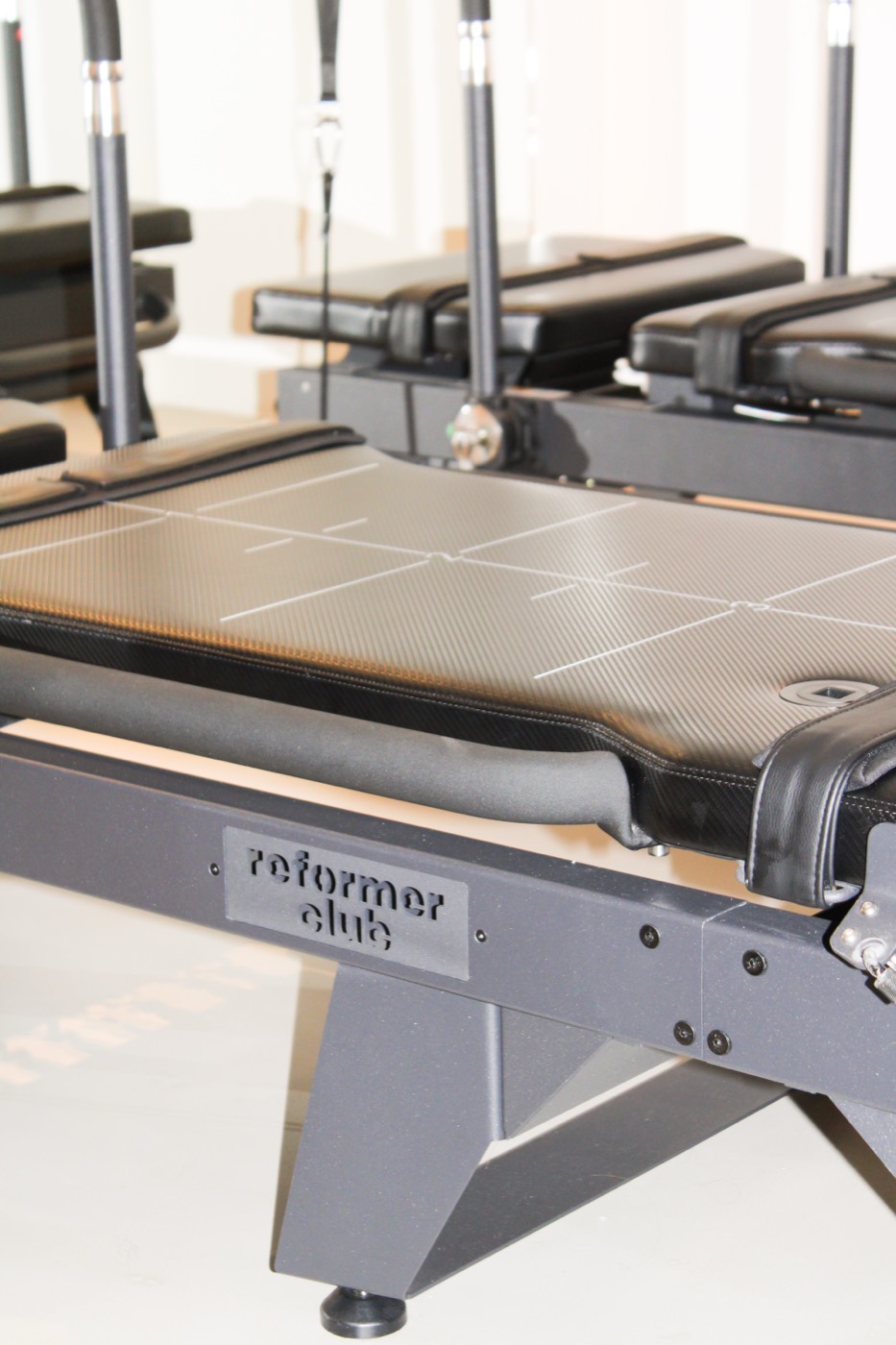
This distinction is especially valuable when training on a Reformer. Springs provide resistance in both directions, so every phase of movement deserves attention. Pressing the carriage away is work. Returning it with control is work too. That continuous feedback makes it easier to identify when the body is compensating and when the intended muscles are genuinely carrying the load.
Mindfulness here does not mean switching off intensity. A slow, well-executed sequence can challenge the legs, core, shoulders and postural muscles far more than a faster set performed without precision. The goal is focused effort: enough resistance to demand adaptation, with enough control to maintain quality.
The principles behind mindful strength training methods
The most effective methods are built on a few consistent principles. They give your workout structure while leaving room for your current energy, experience and physical needs.
Use tempo to create tension
Tempo is the speed of a repetition. Slowing down increases time under tension, asking the muscles to work for longer rather than relying on a quick burst of movement. Try taking three or four controlled counts to press, then three or four counts to return. You may use a lighter spring or lower load than expected, yet still feel a deep challenge.
The trade-off is clear: slower work can limit the amount of weight you use. That is not a weakness. Different training goals require different tools. Heavy lifting can be valuable for maximal strength, while controlled resistance can develop endurance, stability and refined muscular control. A balanced routine may include both.
Treat the return as part of the repetition
Many people focus on the effort phase and relax on the way back. Mindful resistance training asks you to resist the return. On a Reformer, this means guiding the carriage home without letting the springs pull you out of position. In a squat or row, it means lowering with as much attention as you use to rise or pull.
This controlled lengthening phase helps build awareness around the joints and strengthens your ability to decelerate. It also makes familiar exercises feel entirely different. The movement becomes quieter, steadier and more demanding.
Work within a range you can own
More range is not always better range. If your ribs flare, shoulders rise, knees collapse inward or pelvis shifts to reach an endpoint, the body is telling you that the movement has moved beyond your current control. Reducing the range is often the smarter progression.
Owning your range means staying organised through the spine, pelvis and joints while keeping the intended area engaged. Over time, mobility and strength can improve together. But they should not be forced to arrive on the same day.
Let breath support the effort
Breathing gives mindful strength work rhythm. A steady exhale can support a challenging press, curl or lift; a calm inhale can help you return without rushing. Holding your breath briefly during very heavy efforts can be appropriate for experienced lifters under guidance, but for most low-impact resistance work, consistent breathing helps maintain focus and avoids unnecessary tension in the neck and jaw.
If you lose your breath completely, it may be a sign that the pace, resistance or complexity needs adjusting. Challenge is useful. Chaos is not.
How to bring more focus into each session
You do not need a long meditation before training to make your workout mindful. You need a clear starting point and a willingness to pay attention.
Before the first exercise, take a moment to notice how you feel. Are your hips tight after a day at a desk? Are your shoulders carrying stress? Do you feel rested, or are you running on limited energy? This is not an excuse to avoid challenge. It is information that helps you choose the right resistance and level of intensity.
During each exercise, give yourself one or two simple cues. For example: keep the heels grounded, lengthen through the crown of the head, or move the carriage without changing the shape of the spine. Too many instructions can create overthinking. One clear intention creates better focus.
Then pay attention to the final repetitions. This is where form often changes. You may need to shorten the movement, reduce the spring tension or pause for one breath before continuing. Making that adjustment is a sign of intelligent training, not a lack of discipline.
Why controlled Reformer training fits this approach
The Reformer offers a precise setting for strength work because resistance, support and instability can be adjusted in small increments. Springs can challenge larger muscle groups while the moving carriage requires the body to create its own stability. This asks the core, hips, shoulders and feet to contribute rather than simply holding a fixed position.
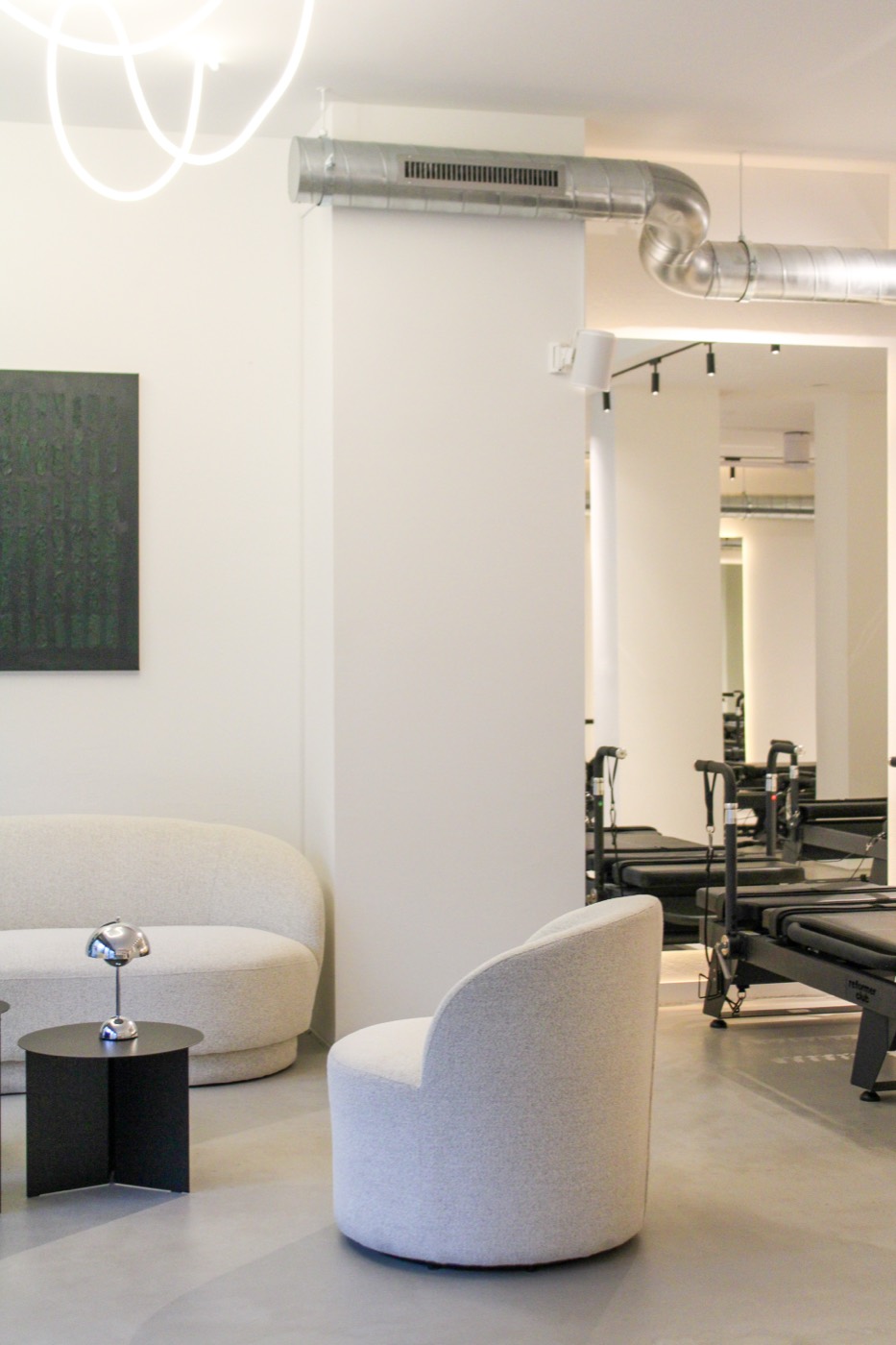
At Reformer Club, Slow Resistance Training uses this principle deliberately. The pace is considered, the transitions are controlled, and the goal is not to race through a sequence. You build strength by staying connected to the work, whether you are learning the foundations in START, developing consistency in SIGNATURE or taking on the deeper endurance challenge of BURN.
The right class depends on your experience and readiness. Beginners often benefit from learning how spring resistance feels and how to set their alignment before increasing complexity. More experienced clients may need higher endurance, longer sets or less stable positions. Progression should feel earned, not rushed.
Common mistakes that make mindful training less effective
The first is confusing concentration with tension everywhere. Focused training does not require clenching your jaw, gripping your toes or lifting your shoulders towards your ears. Use the muscles needed for the movement, then let the rest of the body stay as calm as possible.
The second is treating every session as a test. Some days are suited to higher resistance and greater intensity. Other days call for precise foundational work. Consistency across months will do more for your strength than occasional workouts that leave you depleted or unable to train well again.
The third is following a perfect tempo at the expense of form. Counts are useful, but they are not the goal. If a slow return causes the pelvis to shift or the shoulders to lose position, make the movement smaller or choose a more manageable load. Control must lead the method.
A stronger relationship with training
Mindful strength training creates a useful kind of confidence. You learn the difference between effort and strain, between a productive challenge and a pattern that does not serve your body. That awareness can make training more sustainable, particularly if you have previously moved between all-or-nothing routines.
It also changes how progress feels. Progress is not only adding more resistance or completing more repetitions. It can be holding alignment for longer, recovering your breath sooner, moving through a fuller range with stability, or noticing that you approach a demanding sequence with more calm.
Come as you are, then give the next repetition your full attention. A controlled movement may look simple from the outside, but done with intention, it can leave you more focused, strong and balanced long after class ends.