Is SRT Safe? Controlled Training Explained
Is SRT safe for beginners and experienced movers? Learn how controlled resistance, precise form and progression support intelligent, low-impact training.
A slow movement can feel deceptively demanding. When the resistance builds, the muscle starts to shake and every centimetre asks for focus, it is natural to ask: is SRT safe? For most people, Slow Resistance Training can be a safe and highly effective way to build strength when it is taught with sound technique, appropriate resistance and a level that matches your current capacity.
SRT is not about pushing through at any cost. It is about creating muscular tension with control, then sustaining it long enough to build strength, endurance and body awareness. That intention changes the experience. You are not chasing speed, impact or maximum load. You are learning to move with precision.
Is SRT Safe When It Feels So Intense?
Intensity and risk are not the same thing. A controlled hold, a slow press or a carefully paced sequence can create a deep training effect without the pounding associated with running, jumping or fast transitions. That makes SRT a strong option for people who want a serious challenge while being mindful of joint impact.
Still, low impact does not mean no effort. SRT deliberately asks muscles to work under sustained tension. You may feel heat, fatigue and a strong urge to speed up or compensate. Safety comes from resisting that urge. Good training keeps the movement clear even as the work becomes challenging.
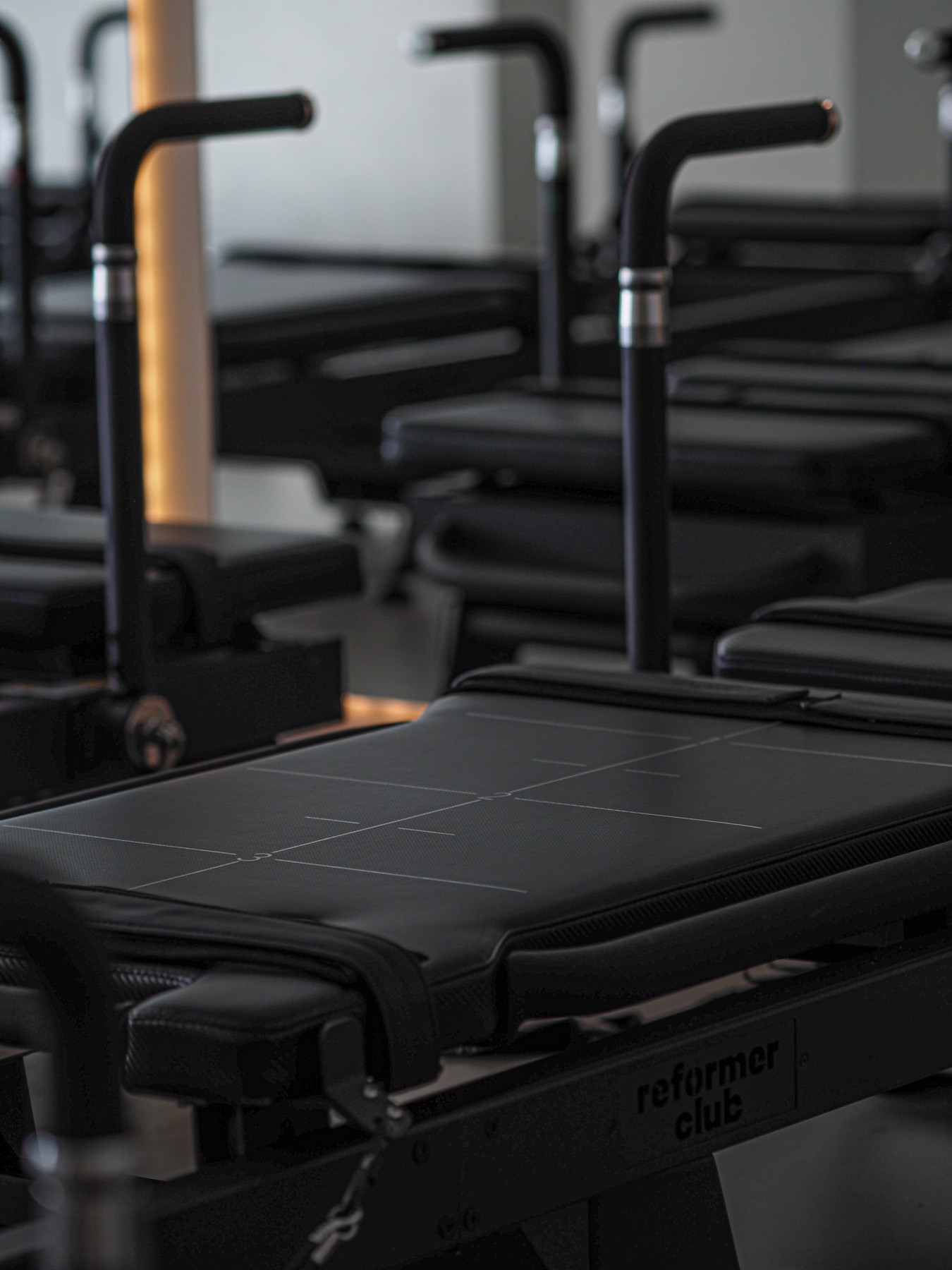
On a Reformer, springs provide adjustable resistance and the carriage gives feedback. This can help you understand where you are in space and how your body responds. But the equipment does not make a movement safe by itself. Your setup, alignment, range of motion and choice of resistance matter every time.
What Makes Slow Resistance Training Safer
The most reliable safety feature in SRT is progression. You begin with movements you can control, then add complexity, range, resistance or duration over time. This gives your muscles, tendons and coordination time to adapt rather than asking your body to perform at an advanced level on day one.
Precise form also matters more than how hard you appear to be working. If your shoulders are rising towards your ears, your lower back is taking over, or you are holding your breath to complete a repetition, the exercise has likely moved beyond your current working range. Reducing the spring load, shortening the range or taking a reset is not stepping back. It is intelligent training.
A skilled instructor helps make these adjustments in real time. Clear cues can bring attention to ribcage position, pelvic stability, shoulder control and foot placement. In a structured class, you also benefit from a planned sequence rather than choosing exercises at random when fatigue is high.
The pace itself offers another advantage. Moving slowly gives you more time to notice compensation before it becomes a pattern. You can feel whether a knee is tracking comfortably, whether your core is supporting the movement, and whether the work is landing in the intended muscle group. Fast training can be valuable too, but it leaves less room for that feedback.
Who Should Start Carefully?
SRT is adaptable, but no training method is universal in every circumstance. If you are completely new to Reformer training, returning after a long break, managing persistent pain or recovering from an injury, start with a beginner-appropriate session and tell your instructor what is relevant before class begins.
For acute injury, recent surgery, significant joint instability, pregnancy-related considerations or a diagnosed health condition, personalised medical advice should come first. A qualified clinician can help you understand what movement is appropriate for your situation. Your instructor can then work within those guidelines, but should not be expected to diagnose or treat an injury.
Pain is also different from effort. Muscular fatigue, a controlled burn and temporary shaking can be normal responses to sustained tension. Sharp pain, pinching, numbness, dizziness, sudden swelling or pain that changes the way you move are not signals to push through. Stop, let your instructor know and seek professional advice where needed.
The Right Class Level Is Part of Safety
The fastest route to better control is rarely the hardest class on the timetable. It is the level that gives you enough challenge to focus, while leaving room to execute the fundamentals well.
At Reformer Club, START is designed to establish the foundations: equipment familiarity, alignment, tempo and confidence in key movement patterns. It is the right place for first-time clients, people returning to movement and anyone who wants to refine their base without pressure.
SIGNATURE builds on those foundations with more layered sequences, endurance and sustained resistance. BURN raises the demand further through advanced variations and a higher level of muscular challenge. These pathways are not labels of ability or fitness. They are tools for choosing the session your body is ready to do well today.
Even experienced gym-goers benefit from beginning at a level that allows them to understand the method. Strength from other forms of training transfers in useful ways, but SRT has its own rhythm. The goal is not to prove that you can tolerate the most resistance. It is to develop control that remains present under resistance.
How to Make Your SRT Practice Safer
Come prepared to pay attention. Arrive a few minutes early when possible, especially for your first class, so there is time to understand the Reformer setup and share any relevant limitations. Wear clothing that allows you to see and feel your alignment, and use grip socks for secure footing on the equipment.
During class, treat the instructor's options as part of the workout, not as an easier alternative. A smaller range can create more effective tension than a large range completed with poor control. The same applies to spring choices. More resistance is not automatically more productive if it causes you to lose the intended position.
Your breath is a practical check-in. You do not need to breathe in one prescribed way for every exercise, but you should be able to breathe. If you find yourself bracing so intensely that you cannot maintain a steady breath, pause and reset. Controlled breathing supports concentration and helps you avoid turning effort into unnecessary strain.
Recovery belongs in the equation too. SRT can be low impact while still being demanding for the muscles. If you are new, give yourself space between challenging sessions and notice how your body feels the following day. Consistent practice usually builds more than occasional all-out effort. Hydration, sleep and regular meals all support that consistency.
A Better Question Than “Can I Push Harder?”
The safest and most rewarding SRT sessions are not always the ones that leave you most exhausted. They are the ones where you can feel a movement becoming more stable, your posture holding for longer, or a previously unfamiliar exercise starting to make sense.
That is the value of controlled resistance. It builds strength with attention, allowing you to work deeply without relying on impact or momentum. Some days you may progress. Other days, the smart choice is to use a lighter spring, take the foundation option and leave feeling more balanced than when you arrived.
SRT is safe when it respects the person doing it: your experience, your energy, your technique and your need to progress at a sustainable pace. Come as you are, move with intention, and let control be the standard that guides your next repetition.